Maputo is the largest city and Mozambique’s capital, political and economic centre. Located on the Indian Ocean, it is known for its beaches and deep sea harbour. As with many of the countries we have been visiting recently, ownership has varied over the centuries with the explorers from Europe plying these waters, looking for trade routes to various parts of the world. Here it was first the Dutch, then the British, and then the Portuguese. The Portuguese called it Lourenço Marques in honour of a 16th century trader. They built a fort here and soon a small town began to develop. The locals call it “Xilunguine” – “the white man’s place.”
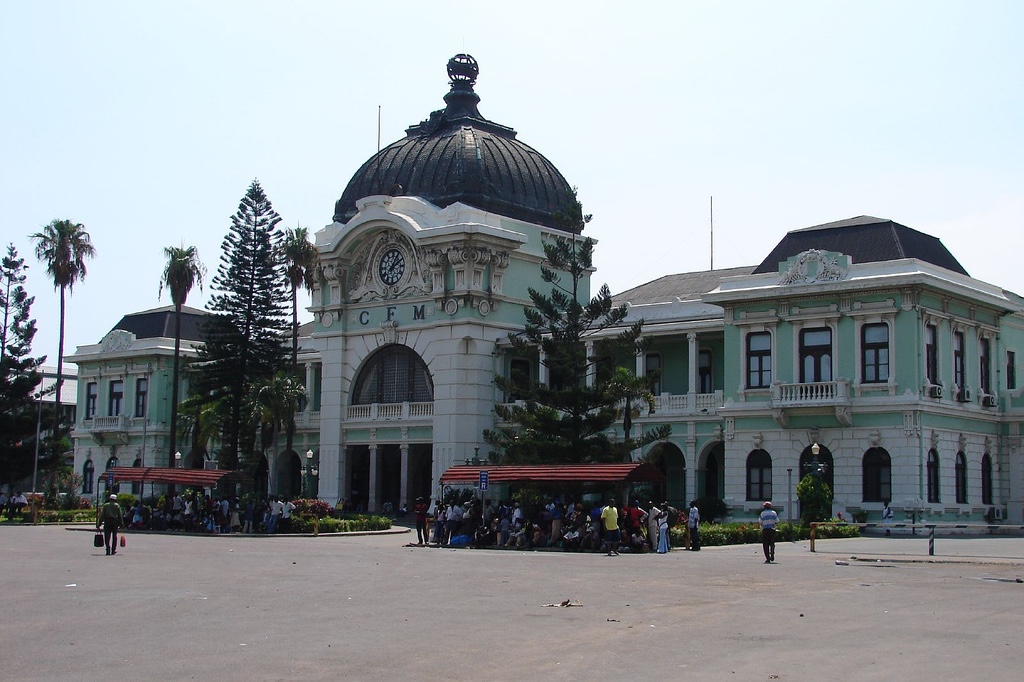
Lourenço Marques was a racially segregated city. The white Portuguese lived in an affluent area known as “cement city” with its beautiful buildings and avenues, while the Africans lived in shanty towns on the black side of town with few city resources. A recipe for problems. The blacks found many ways to resist the racial policies of the Portuguese but it took until the mid 1970s for Mozambique to gain its independence from Portugal. This was the result of a military coup in Portugal and a new government that didn’t want to continue to fight here. In 1974, Mozambique gained independence and renamed the new capital, Maputo, in honour of a local chief. The whites fled the country and the blacks moved into “cement city.
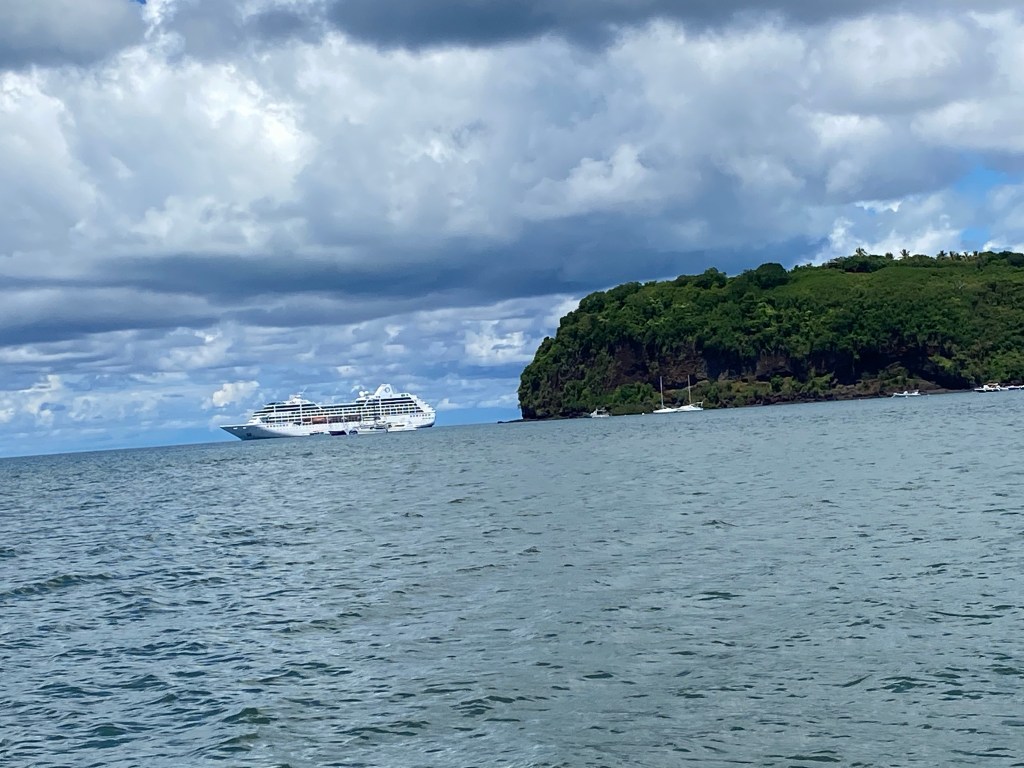
Mayotte, Comoro– The Comoro Islands are a group of volcanic islands located in the northern part of the Mozambique Channel in the Indian Ocean between Madagascar and Mozambique. It was once an important trading post in the 15th Century for European, Arab and African traders. Today they consist of a main island, Grand Terre and a smaller island, Petite Terre and several islets scattered around these two. It is an overseas department of France with the same status as the departments in France. In 1974, there was a referendum and all the islands except Mayotte voted for independence. Following this, France maintained sovereignty over Mayotte, and the remaining islands formed the Federal Islamic Republic of the Comoro Islands, known today as the Union of the Comoros. Mayotte became France’s 101st department in March 2011. The major economic potential of the islands is tourism and it is a beautiful area with white sand beaches but somewhat of the beaten path. An interesting fact – it is the outermost region of the European Union and part of the eurozone. Their currency is actually the euro and they speak French and some native languages.
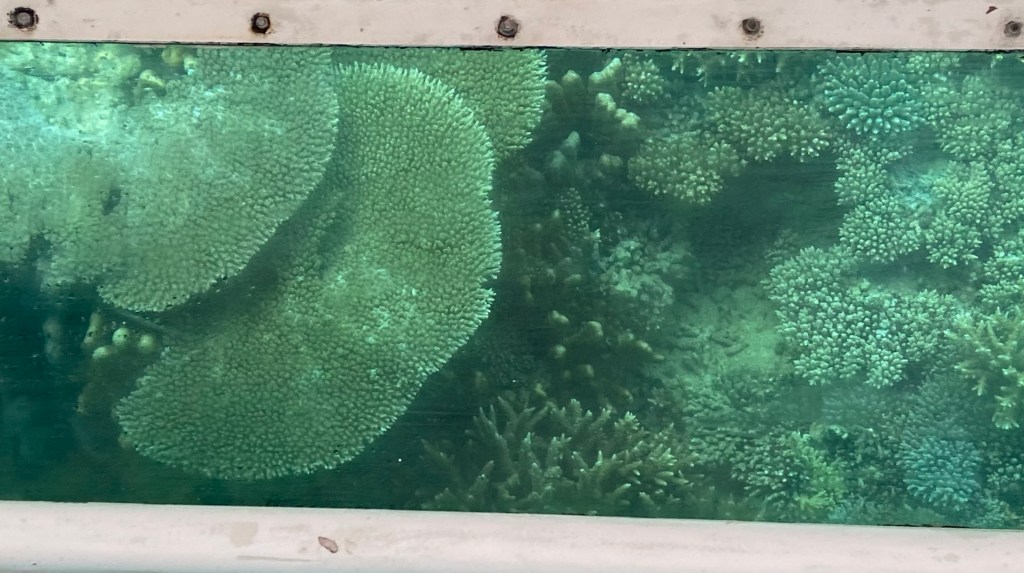
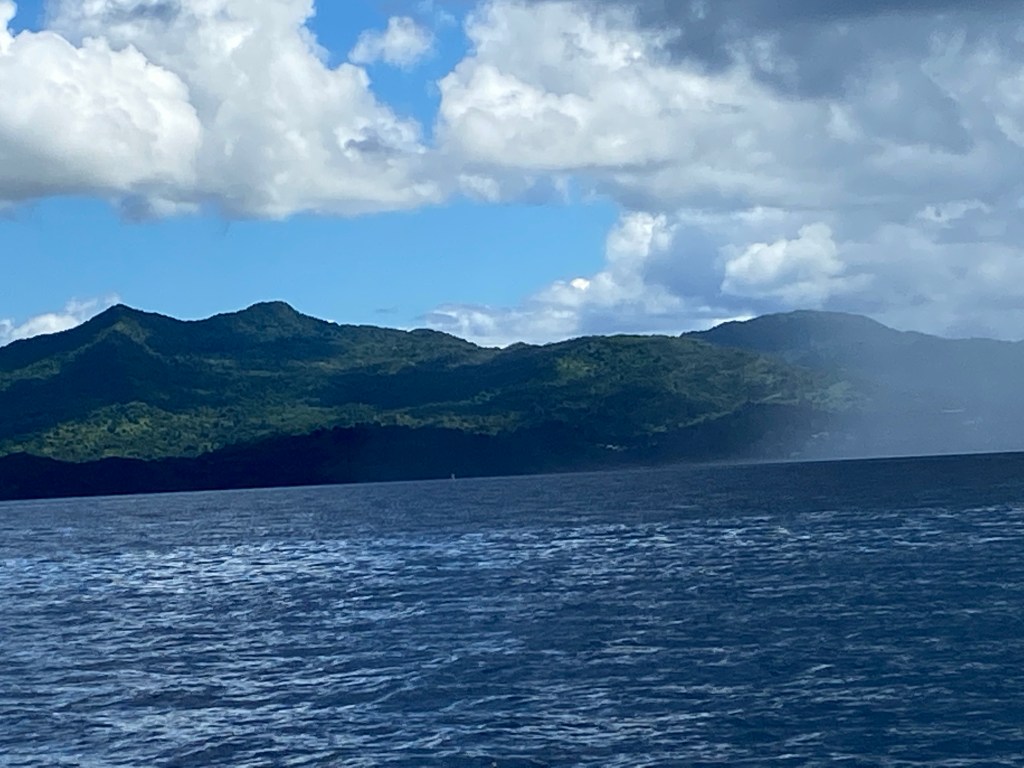
We didn’t go into town, but instead took a glass bottom boat out to a coral reef for snorkelling and swimming. It is a beautiful area with lush islands and a warm ocean. There are environment concerns about the marine pollution in the area but certainly the coral we saw here was in pretty good shape. One of the islands we sailed by is only inhabited by goats. The island was a leper colony some years ago and when that was shut down, the goats remained behind. Today no one is allowed to go on the island. They are also called “the perfumed islands” for their fragrant plant life, notably, Ylang-Ylang.

 patriciawatt
Leave a comment